Aircrew Parachute Harness/Pack – Vulcan & Victor Crew Seats: Military Flight Crew Equipment
Aircrew Parachute Harness/Pack – Vulcan & Victor Crew Seats: Military Flight Crew Equipment
Blog Article
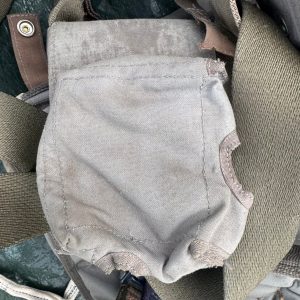
The Aircrew Parachute Harness/Pack – Vulcan & Victor Crew Seats combines historical aviation interest, crew-seat integration potential, harness construction, and emergency-equipment significance.
An Aviation Parachute Harness may form part of military, training, experimental, aerobatic, or historic aviation equipment, while a Pilot Parachute Harness requires professional assessment before any operational consideration.
Whether buyers seek an Aircraft Emergency Parachute Harness, Aircrew Safety Harness, Flight Crew Parachute Harness, Emergency Parachute Harness, or Military Aircrew Harness, exact system identity should guide evaluation.
Whether described as an Aviation Emergency Escape Harness, Parachute Harness Assembly, Aircraft Crew Safety Equipment, Aircrew Emergency Equipment, or Pilot Emergency Parachute System, the item should be evaluated within its complete original configuration.
The Aviation Safety Harness may have historical value, while the Flight Parachute Harness and Aircraft Parachute Equipment should be assessed by qualified specialists before any safety-related use.
Understanding the Vulcan and Victor Aircrew Harness/Pack
Detailed identification protects historical accuracy and reduces incorrect compatibility claims.
Unknown parts should be described honestly instead of assigned an unsupported function.
Inspecting an Aviation Parachute Harness
Metal hardware can corrode, crack, deform, seize, or develop sharp edges that damage surrounding material.
Stitching should be reviewed for broken threads, fading, contamination, pulled sections, loose patterns, unauthorized repair, and separation from the webbing.
Evaluating Harness Size and Fit
An aged harness should not be worn or adjusted forcefully when webbing, buckles, or fittings may be fragile.
Buckles and adjusters should move without excessive force, binding, corrosion, cracking, deformation, or damage to adjacent webbing.
Understanding Emergency Parachute Attachment
The harness alone does not establish the condition or completeness of the complete emergency system.
Paint, plating loss, scratches, or movement marks may provide information about previous use and storage.
Military Aircrew Safety Components
A harness associated with one crew seat should not be assumed suitable for another position.
Proper storage protects the Aircrew Safety Harness and reduces further deterioration.
Flight Crew Parachute Harness Condition
Age-related degradation can exist within fibers, stitching, hardware, or hidden areas.
The seller should disclose whether the harness has been professionally inspected, displayed, stored, worn, repaired, cleaned, or tested.
Emergency Parachute Harness Inspection
Every strap should be followed from end to end while checking webbing, stitching, folds, attachment Aviation Parachute Harness areas, fittings, and labels.
Professional advice may be appropriate when preservation or safety classification remains uncertain.
Military Aircrew Harness Heritage
Original components with clear labels and matching hardware may be particularly desirable for accurate displays.
Conservation-focused presentation protects the Military Aircrew Harness for future study.
Military Aircraft Escape System Components
Missing components can limit the accuracy of a restoration or display.
Qualified historical or technical review supports accurate Aviation Emergency Escape Harness presentation.
Evaluating Assembly Completeness
A Parachute Harness Assembly may include load-bearing webbing, leg and shoulder straps, fittings, adjustment hardware, pack or container sections, attachment components, and identification labels.
Organized documentation also helps future owners continue research.
Military Crew Survival Gear
Each item should be identified and evaluated individually because age, storage, configuration, and service history can differ.
Conservation should prioritize reversible methods whenever practical.
Choosing Aircrew Survival Components
Aircrew Emergency Equipment reflects the operational requirements, aircraft technology, crew roles, and safety practices of its service period.
Claims about operational readiness should require current professional evidence.
Understanding a Pilot Emergency Parachute System
A previous inspection stamp does not establish current suitability.
Responsible handling protects the Pilot Emergency Parachute System and its provenance.
Choosing an Aviation Safety Harness
The item should remain removable for inspection and future conservation.
The harness should not be worn by visitors when age, strength, or contamination is unknown.
Evaluating Parachute Harness Value
A collector may prioritize originality and aircraft association, while a restoration buyer may focus on matching fittings and seat compatibility.
Price should reflect the complete evidence rather than aircraft-name keywords alone.
Avoiding Incorrect Harness Substitution
A harness associated with one Vulcan or Victor seat position may differ from equipment used by another crew member.
Historic photographs and technical references can guide arrangement when available.
Aircrew Harness Pre-Purchase Checklist
The buyer should request enough information for a parachute specialist, military aviation historian, conservator, or experienced collector to evaluate the item.
- Resolve identity, provenance, configuration, and package-completeness questions before payment.
- Inspect stitching for broken threads, loose patterns, separation, contamination, fading, and previous replacement.
- Report shipping damage, missing parts, undocumented repairs, label differences, or undisclosed contamination promptly.
Storing the Aircrew Parachute Harness/Pack
The assembly should receive padded support so heavy hardware does not rest directly on aged webbing.
The item should be inspected periodically for corrosion growth, mildew, pest activity, staining, webbing changes, odor, hardware movement, and storage damage.
Reversible Aircrew Harness Mounting
Adhesives, staples, screws, drilling, cutting, or irreversible sewing should be avoided.
Lighting should be limited to reduce fading and fiber deterioration, while the display case should protect against dust, touch, moisture changes, and accidental impact.
Military Parachute Equipment Preservation
Polishing corroded hardware may damage plating or stain surrounding webbing.
Replacement webbing, stitching, buckles, labels, or hardware should not be presented as original when their status is known.
Aircrew Parachute Harness Conclusion
The Aircrew Parachute Harness/Pack – Vulcan & Victor Crew Seats can provide significant restoration, display, research, educational, and collector value when its identity, condition, completeness, and aircraft association are verified.
A qualified parachute professional must evaluate the equipment before any operational consideration, while a conservator or historian may be more appropriate for display-focused projects.
Whether the product is described as a Parachute Harness Assembly, Aircraft Crew Safety Equipment, Aircrew Emergency Equipment, or Pilot Emergency Parachute System, completeness and intended use should be stated clearly.
With verified provenance, careful inspection, protected storage, reversible display methods, organized documentation, and responsible conservation, the harness/pack can provide lasting historical value.
Report this page